Ponds & Fishing
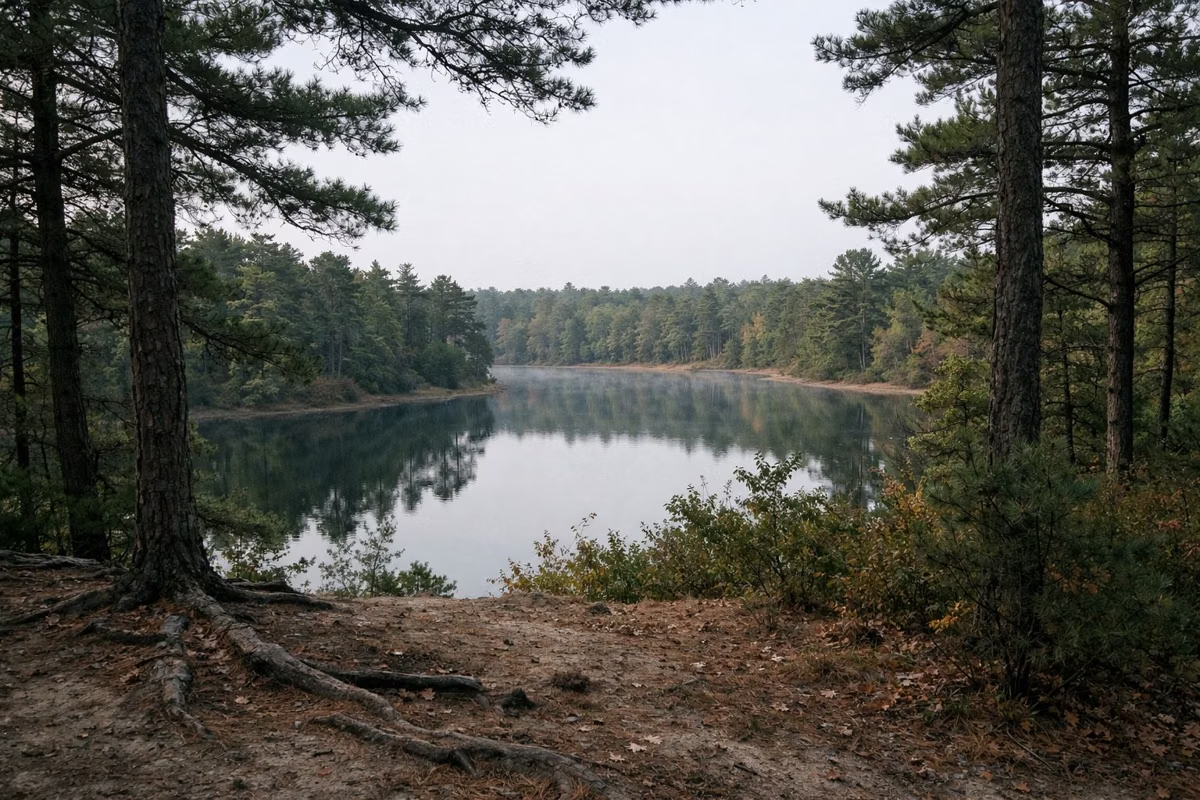
Myles Standish State Forest has 58 kettle ponds, according to DCR: ponds that formed in hollows left by melting glacial ice and are fed by groundwater, with no stream flowing in or out. They are the forest's camping, swimming and fishing spots, holding largemouth and smallmouth bass, yellow perch and pickerel, and Fearing Pond is stocked with trout every spring and fall. Boating is non-motorized only, and DCR asks visitors to keep off the fragile shorelines where they are posted.
The Ponds at a Glance
What a Kettle Pond Is
About 20,000 years ago, DCR's map explains, a massive glacier covered this part of Massachusetts. As it melted back, it dropped billions of tons of sand and stone, and huge chunks of ice were left buried in the sand. When the ice melted, it left hollows: today's kettle ponds and the frost pockets along the trails.
Because a kettle pond has no inlet or outlet, its level rises and falls with the groundwater. DCR says the levels change a great deal from year to year. The plants along the edges have adapted to being flooded some years and left dry in others, which is why DCR treats the shorelines as fragile and fences some of them off.
The Ponds You'll Hear About
- College Pond: the forest's day-use swimming area, open in summer.
- Curlew Pond: camping Area K.
- Fearing Pond: camping Areas H and I, trout stocking, the CCC log bathhouse and accessible fishing.
- Charge Pond: camping Areas A to F, horse camping and the pavilion.
- Barrett Pond: camping Area J, the yurts and the equestrian lot.
- Rocky Pond: DCR calls it a good example of a kettle pond, deep, clear and spring fed, beside the working cranberry bog in the northwest of the forest.
- East Head Reservoir: by headquarters, circled by the easiest hiking loop.
DCR's trail map names dozens more, among them Halfway, Torrey, Three Cornered, Round, Gallows, Bumps, Grassy, Fawn, Doctors, Abner, Fivemile and Little Long ponds.
East Head Reservoir
East Head is not a natural kettle pond. DCR's trail guide says it was created in 1868, not for drinking water but to supply nearby cranberry bogs, which need watering all season and flooding at harvest in early autumn. It is a shallow pond of 86 acres.
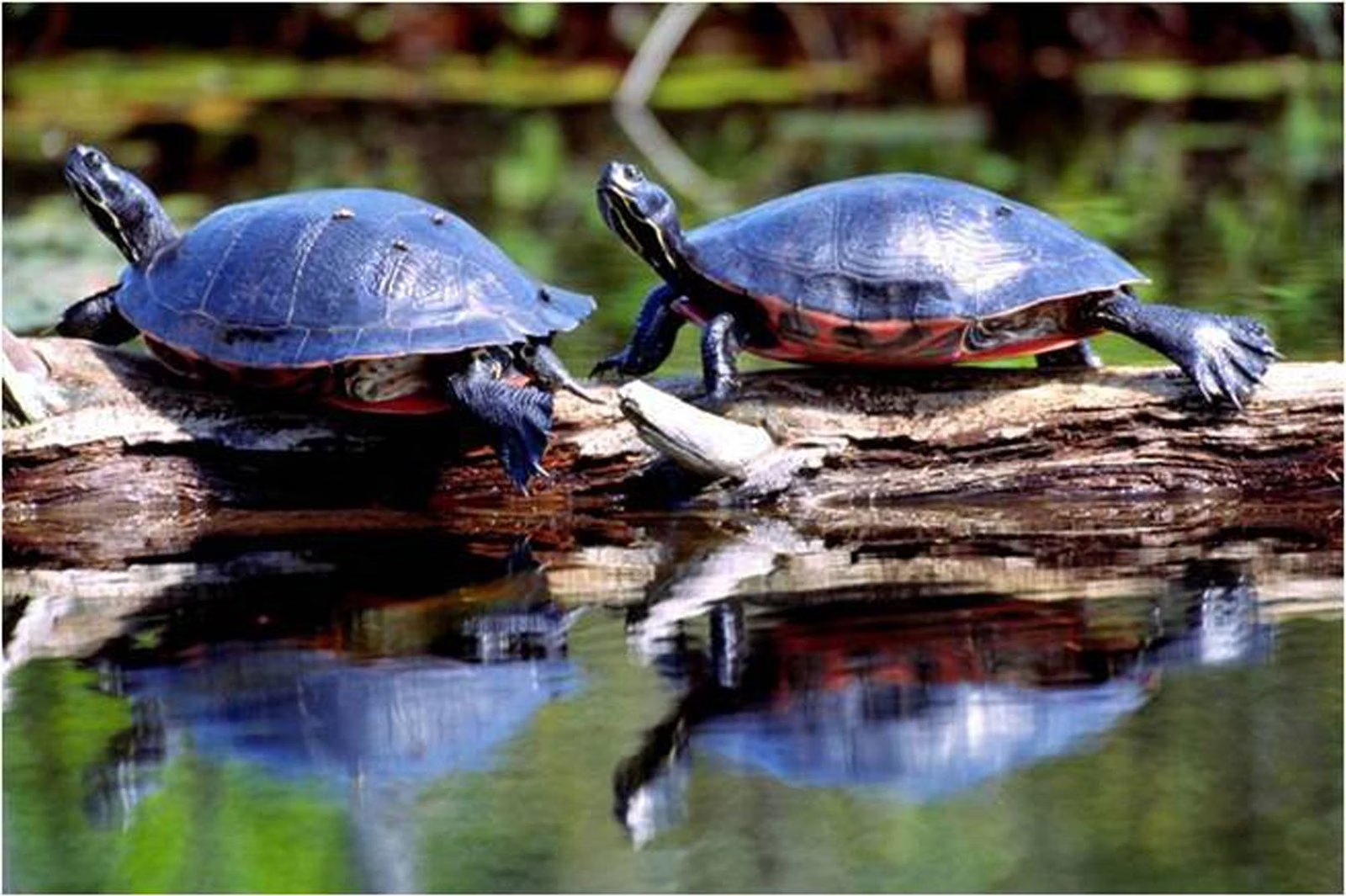
The East Head Reservoir Trail loops it from Forest Headquarters. DCR's guide says to look for yellow perch and pumpkinseed sunfish, bullfrogs, snapping turtles, painted turtles and, in spring, summer and early fall, turtles sunning on fallen trees.
Fishing
DCR says visitors can fish dozens of ponds in the forest, and that they hold largemouth and smallmouth bass, yellow perch, pickerel and other fish. Fearing Pond is stocked with trout in the spring and fall. You need a Massachusetts freshwater fishing license. DCR's trail map also mentions a popular fishing derby among the forest's yearly events.
Boating
DCR lists boating as non-motorized, with canoeing, kayaking and sailing among the forest's activities and a boat ramp among its facilities. DCR's booking site lists canoeing at the College Pond day-use area. Bring your own boat; DCR does not list rentals.
A Turtle Found Almost Nowhere Else
DCR's map says southeastern Massachusetts, including this forest, is the only place in the world to find the northern red-bellied cooter, a federally endangered turtle. It looks like a painted turtle but adults are many times larger, with a bright red underside. The best time to see one is spring, basking on logs in the larger ponds. Look from a distance and leave it be.
Good For
- Anglers: bass and perch in many ponds, stocked trout at Fearing.
- Paddlers with their own canoe or kayak.
- Turtle watchers in spring.
Maybe Skip If
- You want a motorboat. Boating here is non-motorized.
- You plan to wade the shoreline anywhere you like. Many shores are posted closed.
Ponds FAQ
How many ponds are in Myles Standish State Forest?
DCR counts 58 kettle ponds in the forest, plus East Head Reservoir, which was created in 1868.
What fish are in the ponds at Myles Standish?
DCR lists largemouth and smallmouth bass, yellow perch and pickerel. Fearing Pond is stocked with trout in spring and fall.
Can you kayak at Myles Standish State Forest?
Yes. DCR lists canoeing, kayaking and sailing, all non-motorized. Bring your own boat.
What is a kettle pond?
A pond in a hollow left by a chunk of glacial ice. Kettle ponds are fed by groundwater with no inlet or outlet, so their levels rise and fall from year to year.
Which pond is best for swimming?
College Pond. It is DCR's day-use swimming area, open in summer, with a bathhouse and restrooms.